

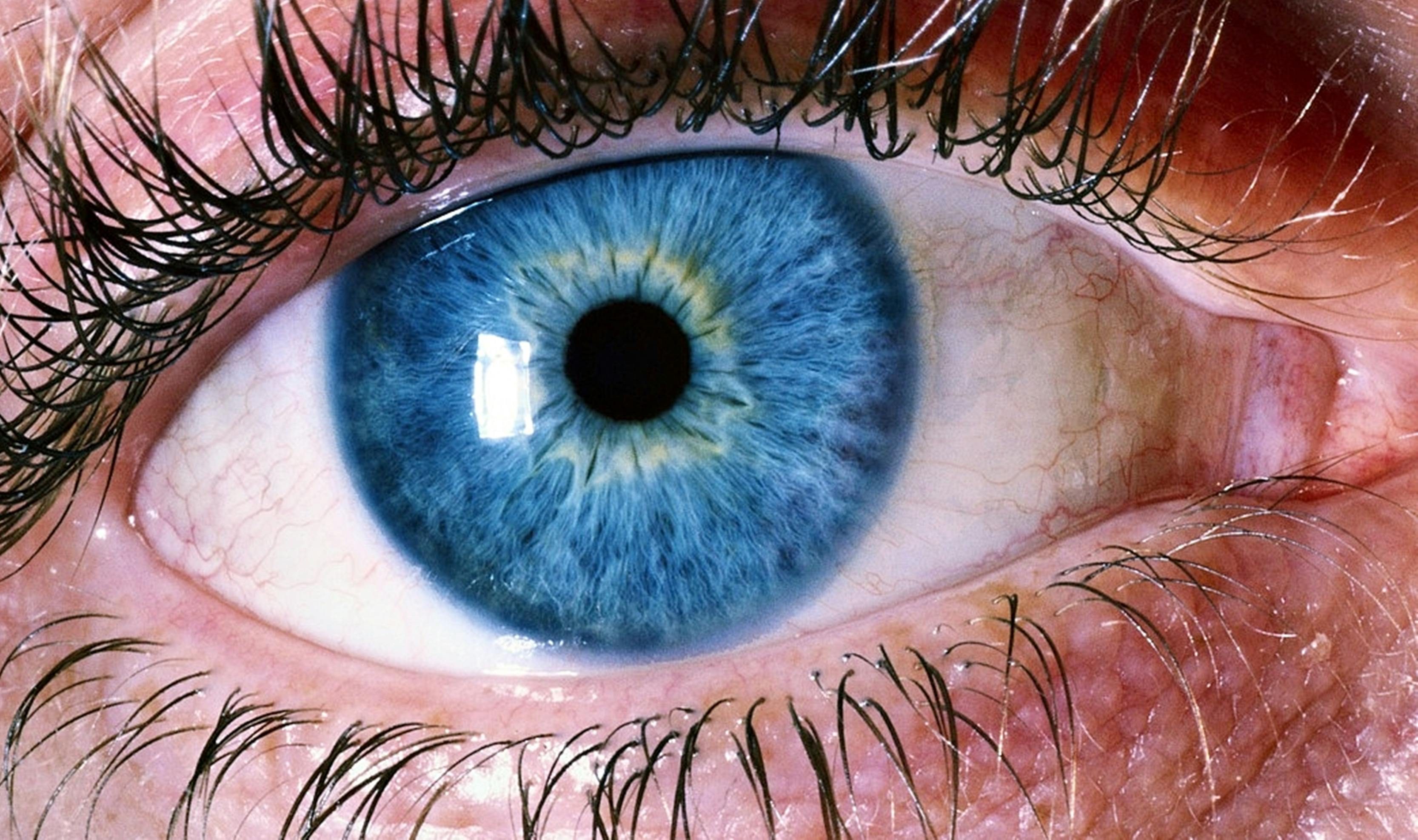
Ocular sarcoidosis is a specific form of sarcoidosis, which is a rare inflammatory disease that can affect various organs in the body. In ocular sarcoidosis, this inflammation specifically impacts the eyes and surrounding structures.
1. What is Sarcoidosis?
-
Imagine your immune system as your body's defense team. Normally, it attacks germs and foreign invaders.
-
In sarcoidosis, this defense team gets a bit confused and overactive. It starts forming tiny clumps of inflammatory cells called granulomas in different parts of the body.
-
Think of granulomas like small, harmless knots or bumps that build up.
-
While sarcoidosis most commonly affects the lungs and lymph nodes, these granulomas can form almost anywhere.
2. What is Ocular Sarcoidosis? (Focus on the Eyes)
-
When these granulomas form in or around the eyes, it's called ocular sarcoidosis.
-
This inflammation can affect nearly any part of the eye, from the front to the back, and even the tissues surrounding the eye.
3. What parts of the eye can be affected?
-
Uveitis: This is the most common and often the most serious manifestation. The uvea is the middle layer of your eye (containing the iris, ciliary body, and choroid). Inflammation here can cause pain, redness, light sensitivity, and blurry vision.
-
Eyelids: Granulomas can appear on the eyelids, causing swelling or lumps.
-
Conjunctiva: This is the clear membrane covering the white part of your eye and the inside of your eyelids. Granulomas can form here as small bumps.
-
Lacrimal (Tear) Glands: Inflammation here can lead to dry eyes or, less commonly, excessive tearing.
-
Optic Nerve: If the optic nerve is affected, it can impact vision and even lead to vision loss.
-
Retina and Blood Vessels: Inflammation in the back of the eye can cause blurred vision, floaters (specks or lines that seem to drift in your vision), or even more severe vision problems if blood vessels are affected.
4. What are the symptoms?
The symptoms of ocular sarcoidosis can vary widely depending on which part of the eye is affected and how severe the inflammation is. They can come on suddenly or gradually. Common symptoms include:
-
Blurred vision or vision loss
-
Eye pain
-
Redness of the eye
-
Sensitivity to light (photophobia)
-
Floaters (black spots or lines in your vision)
-
Dry or watery eyes
-
Itching or burning in the eyes
-
Swelling of the eyelids
5. What causes it?
-
The exact cause of sarcoidosis, including ocular sarcoidosis, is still unknown.
-
Experts believe it's likely a combination of genetic factors (some people are more predisposed) and environmental triggers (like certain bacteria, viruses, or dust) that cause the immune system to overreact.
-
It's important to note that it's not contagious.
6. How is it diagnosed?
-
Diagnosis often involves a thorough eye exam by an ophthalmologist, looking for signs of inflammation and granulomas.
-
They may use a special microscope called a "slit lamp" and dilate your pupils to see the back of your eye.
-
Since sarcoidosis can affect other organs, doctors may also order blood tests (like an ACE level), chest X-rays or CT scans to look for granulomas in the lungs or lymph nodes, and sometimes even a biopsy of affected tissue to confirm the diagnosis.
7. How is it treated?
-
The main goal of treatment is to reduce inflammation and prevent damage to the eye, preserving vision.
-
Corticosteroids are the primary treatment. These can be given as eye drops, injections around the eye, or oral pills, depending on the severity and location of the inflammation.
-
Sometimes, other medications that suppress the immune system (immunosuppressants) are used, especially for more severe or long-lasting cases, or if steroids alone aren't enough.
-
Regular eye exams are crucial to monitor the condition and adjust treatment as needed.
In summary: Ocular sarcoidosis is an inflammatory condition where your body's immune system mistakenly forms tiny clumps of cells (granulomas) in the eyes and surrounding structures, leading to various symptoms like blurred vision, redness, and pain. While the exact cause is unknown, treatment focuses on reducing inflammation to protect your vision.